The science

What these peptides are, and how they work.

PetViMed formulas are built from four peptides. This page summarises what each one is and the mechanisms described in the published literature.

Pentadecapeptide · 15 amino acids

BPC-157

A stable synthetic sequence derived from a protein found in human gastric juice, which is where the name “Body Protection Compound” comes from.

Mechanism
  • Upregulates growth hormone receptor expression in tendon fibroblasts, increasing their responsiveness to growth signalling. In gene-expression work it was among the most abundantly upregulated genes, dose- and time-dependently, at both mRNA and protein level.
  • Activates the ERK1/2 signalling cascade and VEGF expression — both central to forming new blood vessels in healing tissue.
  • Modulates the nitric oxide pathway, which governs vascular tone and local blood flow.
  • Promotes fibroblast migration, survival and collagen synthesis; accelerates outgrowth from tendon explants in culture.
  • Reduces pro-inflammatory cytokine signalling.
Research status

BPC-157 has an extensive research literature: a 2025 systematic review in orthopaedic sports medicine identified 36 studies. Mechanistic work spans rodent models and cultured tendon fibroblasts.

References
  1. Chang et al. — The promoting effect of pentadecapeptide BPC 157 on tendon healing involves tendon outgrowth, cell survival, and cell migration. J Appl Physiol, 2011.
  2. Chang et al. — Pentadecapeptide BPC 157 enhances growth hormone receptor expression in tendon fibroblasts.
  3. Emerging use of BPC-157 in orthopaedic sports medicine: a systematic review.
  4. From regeneration to analgesia: the role of BPC-157 in tissue repair and pain management.
Actin-sequestering peptide

TB-500 — Thymosin β4

TB-500 is the synthetic form of the active region of thymosin β4, a protein present in nearly every mammalian cell.

Mechanism
  • Binds G-actin, regulating the actin cytoskeleton cells use to move. This is the basis of its effect on cell migration — the step that brings repair cells into damaged tissue.
  • Promotes angiogenesis, the formation of new blood vessels.
  • Improves collagen structure and speeds its maturation, which in wound models is associated with reduced scarring.
  • Modulates inflammatory signalling during the repair phase.
Research status

Studied in rodent, equine and human models, with the equine literature the most developed of the animal work.

References
  1. Goldstein AL et al. — Thymosin β4: actin-sequestering protein moonlights to repair injured tissues. Trends Mol Med, 2005.
  2. Philp D et al. — The actin binding site on thymosin β4 promotes angiogenesis. FASEB J, 2003.
  3. Xing Y et al. — Progress on the function and application of thymosin β4. Front Endocrinol, 2021.
Copper-binding tripeptide · glycyl-L-histidyl-L-lysine

GHK-Cu

A naturally occurring human tripeptide complexed with a copper(II) ion, first identified in 1973 — the longest research history of the four.

Mechanism
  • The copper it carries is the essential cofactor for lysyl oxidase, the enzyme that cross-links collagen and elastin into stable fibres. Without that cross-linking, new collagen stays weak.
  • Signals fibroblasts toward collagen and elastin synthesis.
  • Modulates matrix metalloproteinases, balancing tissue breakdown against rebuilding during remodelling.
  • Suppresses the acute-phase response that drives both inflammation and scar formation.
Research status

Roughly five decades of peer-reviewed literature, predominantly dermatological and wound-healing work in vitro and in rodent models.

References
  1. Pickart L — The human tri-peptide GHK and tissue remodeling. J Biomater Sci Polym Ed, 2008.
  2. Pickart L, Vasquez-Soltero JM, Margolina A — GHK and DNA: resetting the human genome to health. Biomed Res Int, 2014.
Tripeptide · lysine–proline–valine

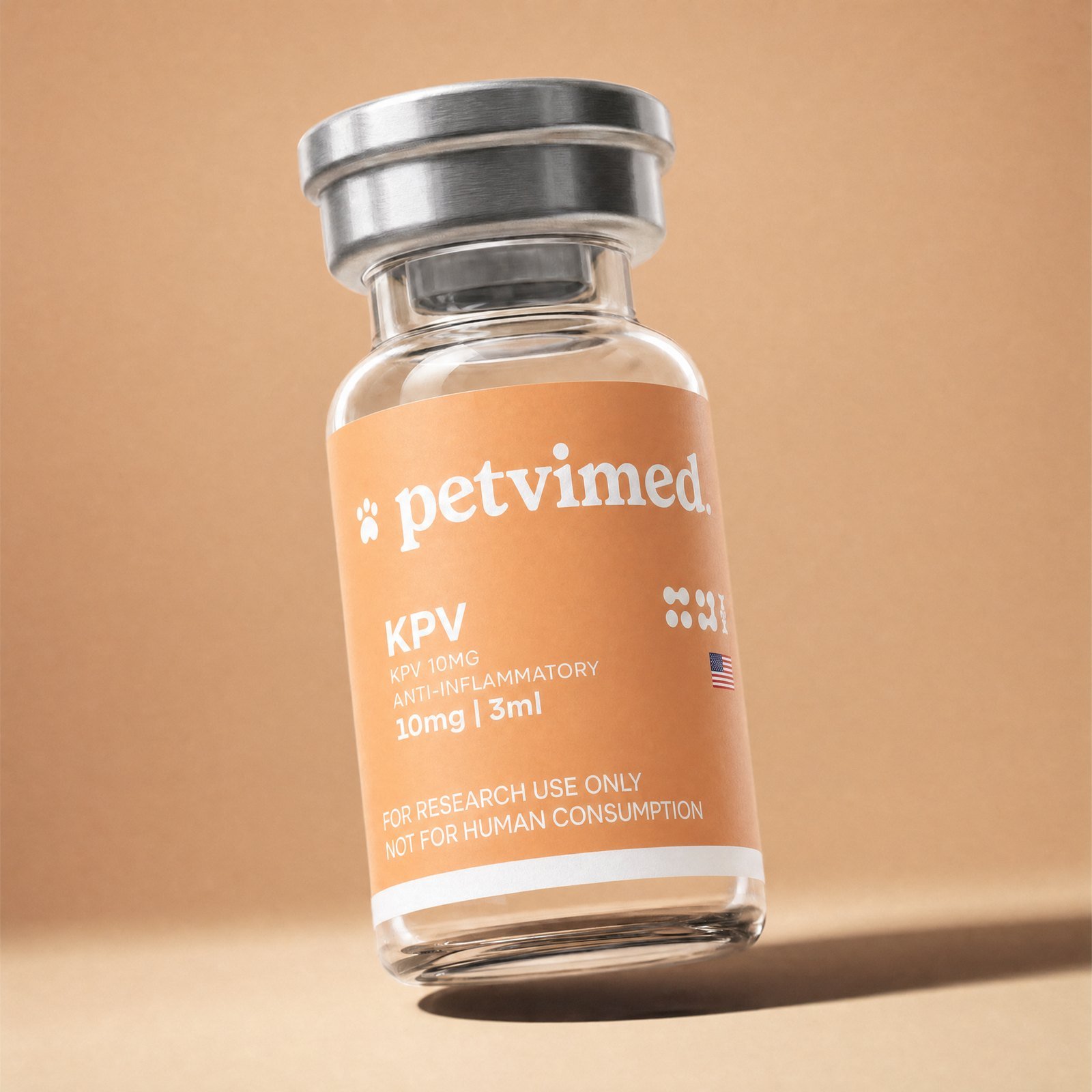
KPV

The C-terminal fragment (residues 11–13) of α-melanocyte-stimulating hormone, α-MSH.

Mechanism
  • Retains α-MSH’s anti-inflammatory activity without its pigmentation effect, because it is only the tail fragment of the parent hormone.
  • Enters cells through the PepT1 di/tripeptide transporter rather than melanocortin receptors. PepT1 is upregulated on inflamed epithelium, which concentrates the effect where inflammation already is.
  • Inhibits NF-κB signalling, reducing production of pro-inflammatory cytokines.
Research status

Demonstrated in murine DSS and TNBS colitis models, with reduced colonic myeloperoxidase activity and lower inflammatory cytokine mRNA, alongside in vitro work on intestinal epithelial barrier function.

References
  1. Kannengiesser et al. — Melanocortin-derived tripeptide KPV has anti-inflammatory potential in murine models of inflammatory bowel disease. Inflamm Bowel Dis, 2008.
  2. Dalmasso et al. — PepT1-mediated tripeptide KPV uptake reduces intestinal inflammation. Gastroenterology, 2008.
  3. α-MSH protects against cytokine-induced barrier damage in Caco-2 intestinal epithelial monolayers.

What’s in each formula

Formula BPC-157TB-500GHK-CuKPV
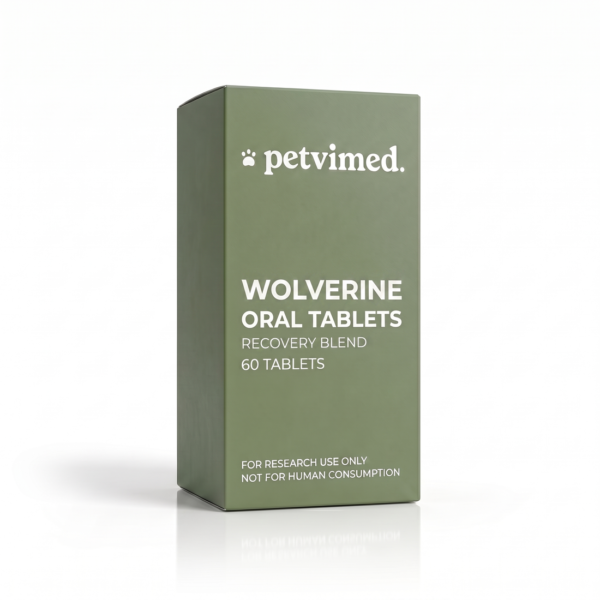
Wolverine Recovery Blend
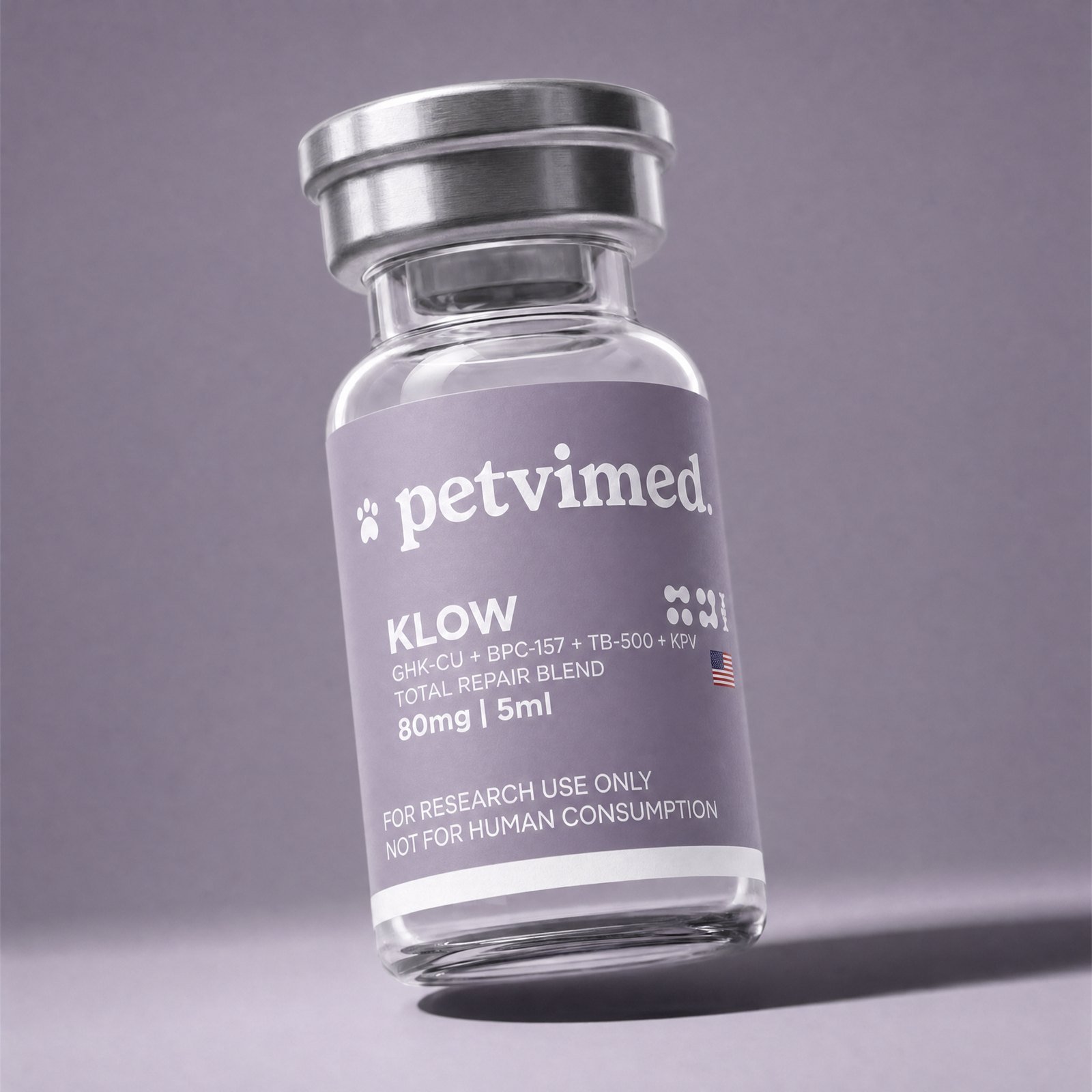
KLOW Total Repair Blend
BPC-157
GHK-Cu
KPV
Wolverine Tablets
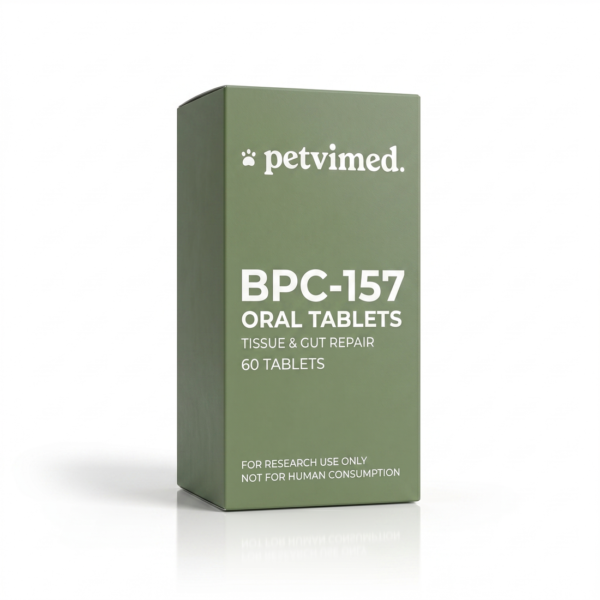
BPC-157 Tablets
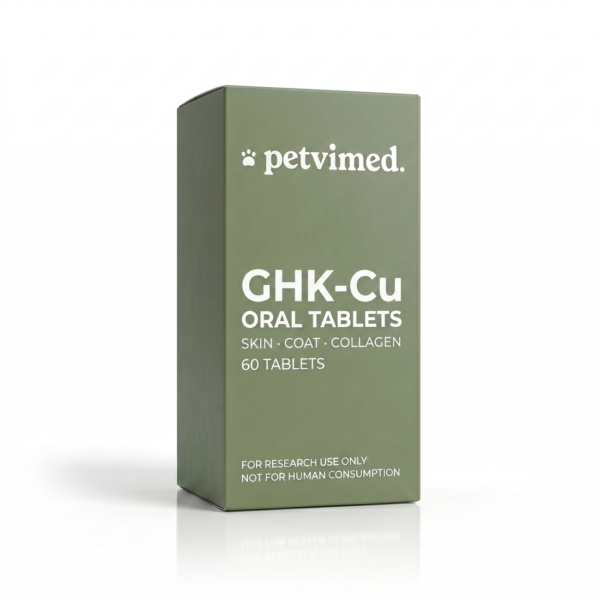
GHK-Cu Tablets

This page summarises published laboratory and animal research describing how these peptides behave. None of these peptides is approved by the FDA for use in animals, and nothing here is a treatment recommendation — decisions about an individual animal belong with your veterinarian.

Shopping Cart
Your cart is currently empty!.

You may check out all the available products and buy some in the shop.

Continue Shopping
Add Order Note
Estimate Shipping